

Getting From Schiphol to Amsterdam Centraal (Train vs Bus)
If you’re landing at Schiphol, the biggest time-saver is getting to the centre efficiently and early. For a first day, that usually means using the direct rail option to Amsterdam Centraal, then switching to walking and trams for the finer routing.
Fastest option for most arrivals: train to Amsterdam Centraal
Aim for the train connection that runs from Schiphol to Amsterdam Centraal. It’s typically the simplest route because:
- it drops you directly in the main station area
- you avoid city-centre transfer friction
- you can start your museum or canal plan almost immediately
Once you arrive, orient yourself on foot toward Dam Square and the central canal areas. Amsterdam is walkable, but keep an eye on crossings and the time it takes to navigate station-to-street exits.
When buses make sense
Buses can be useful if you’re arriving during times when rail doesn’t fit your schedule, or if your hotel/starting point is more convenient for a bus drop. In practice, buses tend to be better for:
- arrivals with limited time where you want a door-to-door style transfer
- early-evening plans where you’re comfortable with a slightly slower, more variable journey
If you do use a bus, build in buffer for traffic. Don’t plan a timed museum ticket that assumes perfect on-time arrival.
A realistic walking baseline from the station
From Amsterdam Centraal to Dam Square is usually a straight, walkable push through central streets. As a rule of thumb:
- Station to Dam Square: about 10–15 minutes on foot
- Dam Square toward the Museumplein area: about 25–35 minutes on foot (slower if you stop for photos)
If you’re carrying bags, or travelling with a tight schedule, treat tram time as more predictable than “walking all the way.”
Ticket Choices for Trams, Metro, and Buses
Amsterdam’s public transport runs on a consistent logic: you’ll either use a travel card/tap system or choose a day-style ticket that matches how many rides you expect to take.
What to buy depends on how many “legs” you’ll do
For a museum-and-canal day, you’re often doing 3–6 transit moves:
- getting from Amsterdam Centraal to the museum area (or back)
- repositioning between canals and neighbourhood streets
- a final tram/metro hop before heading back
If your plan relies on multiple rides, a day-style option is often the easiest choice. If you only need one short hop, a single-ride approach can be enough. Without knowing your exact sequence, the safest strategy is to count your likely tram/metro uses before you step outside.
Tap-in/tap-out vs time-based tickets
You’ll generally encounter two practical approaches:
- Tap-in/tap-out with a stored-balance travel card approach
- Time-based/day options that cover unlimited rides for the valid period
Choose the option that matches your expected number of rides. If you’re planning to split the day into two halves (museum first, then canals), you usually rack up enough short journeys that time-based coverage can pay off.
Don’t forget that tram lines aren’t “your exact door”
Even when a tram is the right move, you rarely get dropped at the exact entrance you want. Plan for a short walk from the tram stop. This matters for timed tickets and for keeping your energy up—especially if arrival was early and you’ve already transferred once or twice.
Museum Anchors: Pick Your Targets (Then Fit Them to Your Arrival Time)
Amsterdam works best when your museum choices reflect your energy and daylight. If you arrive early enough to start before the late morning rush, museums can feel smooth. If you arrive later, you’ll get more enjoyment by keeping museums to one anchor and saving the rest for canal areas.
Your main museum anchors (choose 1–2)
You’ll get a better day if you don’t treat museums like a checklist. Pick from these anchors and commit time to them:
- Rijksmuseum
- Van Gogh Museum
- Stedelijk Museum
- Anne Frank House
For a first visit, Rijksmuseum or Van Gogh Museum is the most common “anchor pair” pattern. Anne Frank House often needs extra planning because it’s popular and benefits from booking well ahead.
A neighbourhood-and-canal structure that won’t collapse
Amsterdam’s canals are easiest when you treat them like a route, not a single stop. After your museum, you’ll want streets that feel walkable and lively:
- Jordaan
- De Negen Straatjes (Nine Streets)
- Vondelpark
And if you want the classic “slow glide” view of the waterways:
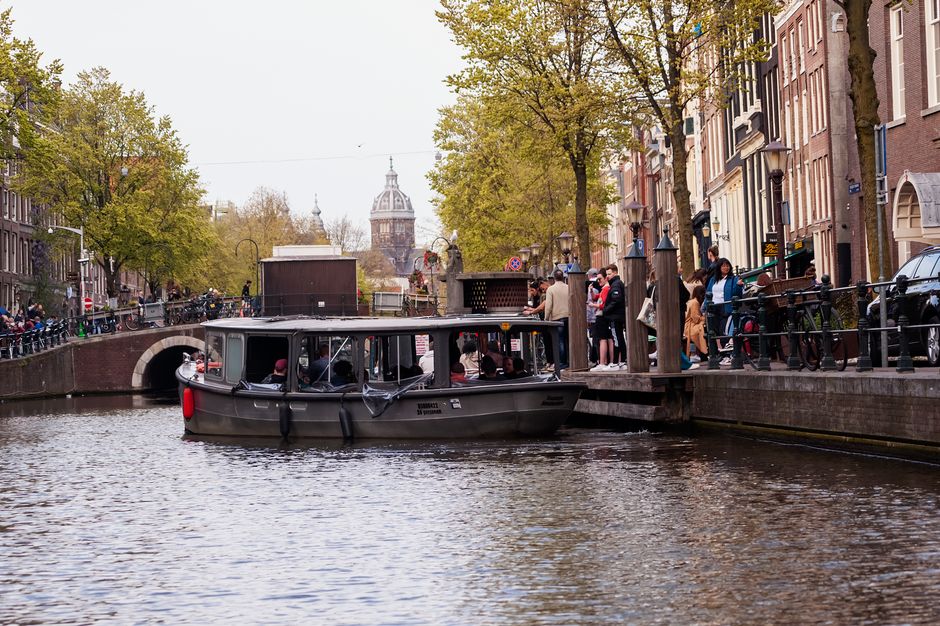
- Canal cruise
These places are complementary: museums for immersion, canals for atmosphere, and the neighbourhood streets for breathing space.
When to book ahead
To keep your day flexible, book timed-entry museums as early as possible. Then build the rest around the booked start time. If you don’t have timed entry ready, you can still walk neighbourhoods and do a canal cruise, but you’ll likely lose time to queuing and schedule constraints.
Two Day Structures: Museum-First vs Canal-First
The best plan depends on whether you arrive with enough buffer to enjoy museums before the late afternoon crowds.
Arrival in the morning (museum-first)
If you reach Amsterdam comfortably before late morning, a museum-first plan usually works well.
Suggested order:
- Amsterdam Centraal → tram/walk to your first museum anchor
- museum anchor (aim for a focused visit rather than rushing every room)
- walk back through the centre toward Dam Square
- finish with Jordaan streets and a Canal cruise
A realistic time rhythm here:
- Transit + short walk: allow 20–35 minutes depending on how many stop/street crossings you hit
- Museum visit: plan for 2–3 hours if it’s your main anchor
- Canals + cruise: allow 90–150 minutes including boarding time and the walk to/from the departure area
This structure protects you from the common mistake—overcommitting to too many rooms and arriving late to the canals when you’d rather linger.
Arrival around midday (balanced day)
If you land close to lunchtime or your transfer takes longer than expected, balance is the key. You’ll usually enjoy one museum anchor properly, then switch to canals and neighbourhood strolling.
Suggested order:
- transit from Amsterdam Centraal into the museum area
- choose one museum anchor from your list
- pivot to De Negen Straatjes (Nine Streets) for easy walking and browsing
- add Vondelpark for a calmer break
- end with Canal cruise if timing still allows
Midday days can get squeezed by transit and ticket entry. Build your museum start time so you’re not running across the city under time pressure.
Arrival late afternoon or early evening (canal-first)
If your arrival is late—after the morning rush—you’ll get more satisfaction by treating museums as an option for tomorrow rather than forcing a multi-hour visit.
Suggested order:
- quick setup at your accommodation area (even if it’s just dropping bags)
- head straight to the central canal zone near Dam Square
- walk through Jordaan and De Negen Straatjes (Nine Streets) while it’s still bright enough to enjoy streets
- take a Canal cruise as your “anchor activity”
- if you have energy, finish with a slow loop toward Vondelpark
For late arrivals, walking pace matters. Keep the walking between neighbourhoods modest and treat each area like a cluster—enter, wander, and then move on.
Walking Timing That Actually Works in Amsterdam
Amsterdam is famous for walking, but the city’s “short distances” can still add up once you factor in crossings, tram interruptions, and the way streets curve around canals.
Use these practical time estimates
These are safe planning ranges rather than exact minutes:
- Dam Square to museum area: about 25–35 minutes on foot
- Museum area back toward the central canals: about 25–40 minutes on foot (slower if you stop)
- Tram stop to canal-side entrances: usually 5–15 minutes depending on where you exit
When you’re deciding between walking and a tram hop, ask one question: “Is this leg between activities?” If it is, you usually want tram time because it’s more predictable.
How to build museum vs canal timing
A practical rule: if you’re doing a museum anchor, treat the afternoon canals as your “reward time.” That means you should leave your schedule slightly freer after the museum, rather than cramming another long indoor block.
If your day is canal-first, keep museums to one anchor maximum, and only if you’re confident the timing lines up.
A simple buffer strategy to avoid stress
Amsterdam days go wrong when every block is “exactly on time.” Add buffer for:
- boarding time for a canal cruise
- the extra minutes it takes to find the correct entrance for a popular museum anchor
- the walk from tram stop to door
If the arrival day is your first day, buffer is what protects enjoyment.
Final Steps Before You Go
Write down your arrival time and the single museum anchor you want most, then compare it to your realistic transit and walking estimates. Once that’s clear, choose either a museum-first or canal-first structure and book timed-entry museum plans ahead if you’re committing to one of your anchors.
When your schedule is set, double-check your public transport approach so you’re not changing ticket logic mid-day.