


Amsterdam can feel like it was designed for explorers—then you arrive with a stroller and realise the routes need planning. For calmer canals and more playground time, your best bet is to base yourself beyond the busiest canal-ring streets, in areas where daily life spills into parks, squares, and frequent tram lines.
Below, you’ll find four neighborhoods that tend to work well for families: you’ll get calmer streets than the central hot spots, better access to green space, and streets that are usually more manageable for prams (even if you’ll still want to watch cobbles and bridges).
What ‘Family-Friendly’ Looks Like in Amsterdam
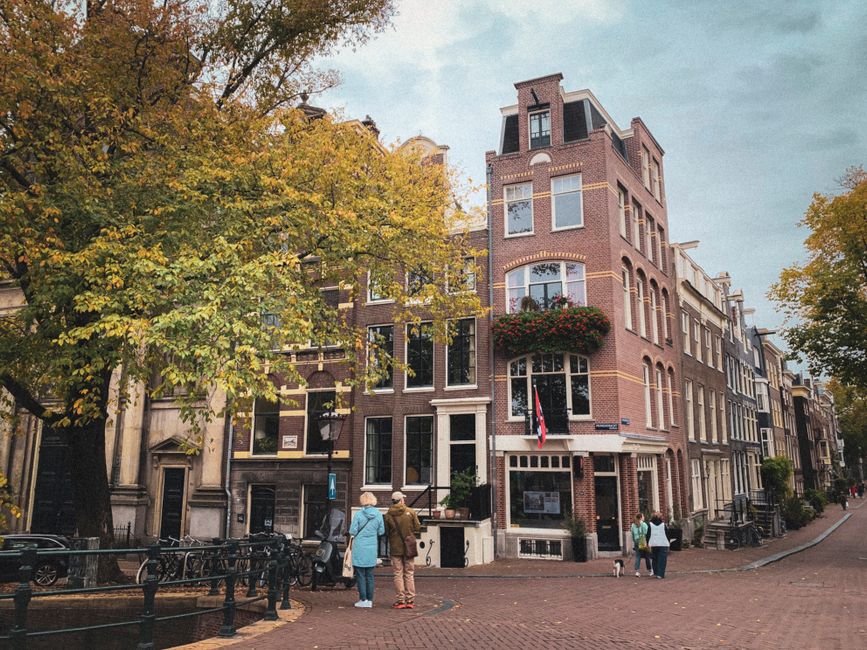
Stroller routes: aim for continuity
You’ll save time by prioritising neighborhoods where you can do most of your day with level-to-gently-sloped paths, fewer canal crossings, and trams within a short walk.
Look for:
- Fewer narrow lanes and fewer repeated crossing points over canals
- Tram stops that feel like “hubs” for the area (so you’re not zig-zagging for every trip)
- Streets with smoother sidewalks near major roads and shopping strips
Calmer canals: step away from the busiest canal-ring lanes
If your priority is quieter canal views, avoid basing yourself inside the most photo-heavy canal stretches where foot traffic peaks in the late morning through evening.
A practical approach:
- Stay where locals promenade and commute, not where tour groups funnel
- Choose neighborhoods with waterfronts and parks so kids don’t have to “perform” through sightseeing
Park and playground density: plan around one main green space
Amsterdam families often use one big park (or a cluster of smaller playground areas) as the day anchor.
The goal is simple: you should be able to reach a playground area without it turning into a long logistics exercise.
De Pijp: Everyday Amsterdam With Easy Playtime

Why families like it (and what to watch)
De Pijp’s canal areas are generally less crowded than the central canal ring, especially away from peak sightseeing windows. You’ll also find plenty of everyday errands—handy when you’re juggling snacks, naps, and changing weather.
Watch-outs:
- Some side streets still get busy on warm evenings
- Canal crossing points can mean stairs or awkward ramps in places—check your exact route each day
Playgrounds and parks within practical range
De Pijp works because you’re rarely far from green space and playground pockets. Many families pair “one main park block” with quick repeat visits for shorter play sessions.
What to prioritise while you plan:
- A daily anchor park so you don’t keep searching for “the next playground”
- Spots with fenced or clearly defined play areas, so you can relax during downtime
Stroller and tram practicality
For stroller days, De Pijp tends to be manageable because many routes radiate toward tram corridors and larger streets. Even if cobbles appear here and there, you can usually find smoother walking segments by staying near the busier arterial roads.
Practical tip: plan one “walk loop” (home → park → café → back) so you’re not constantly re-navigating with a tired child.
Oud-West: More Space, Big-Park Energy, and Local Calm
If you want a more residential feel while still staying close to major attractions, Oud-West is often the sweet spot for families who like their days outdoors.
Why families like it (and what to watch)
Oud-West can feel calmer than central streets because you’re not as boxed in by the most concentrated tourist footfall. It’s also well suited to families who want a straightforward rhythm: playground, lunch, park time, then an early evening.
Watch-outs:
- Some streets are narrower than you expect, so turn early and keep your turns wide
- Popular routes can still get busy on sunny weekends
Green space and playground options
Oud-West is a park-oriented neighborhood. Instead of relying on tiny playgrounds only, you’ll usually have access to at least one large park environment where kids can run, cycle slowly, or simply burn energy.
While you’re mapping your stay, focus on:
- Playground areas you can reach in one short outing from your base
- A park where you can stay for 2–3 hours without needing constant transport
Getting around with a stroller
Oud-West is generally easier when you align your walks with tram and major roads. You’ll often find that your best “stroller route” is a slightly longer path along a wider street, rather than cutting through smaller lanes.
If you’re taking a tram with a stroller:
- Expect tram step-ups in some spots—choose boarding areas where you can manage lifting and waiting safely
- Leave a little buffer time near school and commute rhythms
Rivierenbuurt: Quieter Canal Edges and More Room to Breathe
Rivierenbuurt is a calmer choice if you’re specifically trying to reduce the “packed-city” feeling. It’s a more family-anchored area, with daily routines that feel less like sightseeing.
Why families like it
This neighborhood tends to feel grounded and residential. You’ll find fewer “stop-and-stare” crowds around your home base, and that alone helps with both stroller navigation and children’s energy levels.
Watch-outs:
- You may trade some immediate sightseeing density for quieter streets and easier days out
- Evening atmosphere can be calmer than central areas, so plan early if you want dinner options nearby
Playground and park time without long detours
Rivierenbuurt works well when you want playground time that doesn’t require a full itinerary. Families often choose a nearby park area and return repeatedly, which reduces the stress of decision-making.
When choosing where to stay inside Rivierenbuurt, aim for:
- Short walks to at least one park/playground cluster
- Access to green routes that don’t involve too many bridge crossings
Tram convenience for day trips
Rivierenbuurt’s advantage for families is that you can reach other parts of the city without needing a complex schedule every day. Trams can act like your “reset button” when weather changes or a child needs a quick change of scenery.
Practical tip: build your day around one neighborhood anchor and use trams for everything else—avoid trying to do multiple canal areas in one long loop.
Amsterdam-Noord: Waterfront Space and Less Canal Congestion
Amsterdam-Noord is ideal for families who prefer open-air time and wide viewpoints over dense canal streets. You’ll still get “Amsterdam water” here, but the vibe is often more spread out.
Why families like it
Noord can feel quieter and less crowded than the canal-ring hot spots. It’s a good fit if you want calm canal/waterfront scenery without the constant pressure of tour routes.
Watch-outs:
- Some areas are more walkable than others—stroller terrain can vary, so choose your exact base carefully
- You’ll generally want to plan around tram/metro access rather than expecting every stroll to be short
Parks and playgrounds with room to roam
Noord’s family feel often comes from the way you can mix waterfront time with park play. Even when playgrounds are not right on the waterfront edge, it’s usually easier to reach green space without fighting crowds.
How to plan it:
- Find your “one main playground” plus a second backup green spot
- If your child naps, prioritise accommodation near an easier route back from your outdoor stop
Stroller-friendly movement across the city
Noord is practical because it connects well by public transport, which helps when you want to explore without extending stroller walks too far.
On tram/metro days, plan for:
- Waiting time for boarding with a stroller during peak periods
- More time for transitions between walking and platform lifts/ramps
Final Thoughts: How to Choose Your Base (Without Overthinking)
Start by picking your “day anchor”: one neighborhood with a park/playground you can reach easily, then build your canal time around that—not the other way around. Once you’ve shortlisted De Pijp, Oud-West, Rivierenbuurt, or Amsterdam-Noord, map a simple stroller loop from your accommodation to your target playground and tram stop, and choose the base that lets you repeat the route comfortably.