

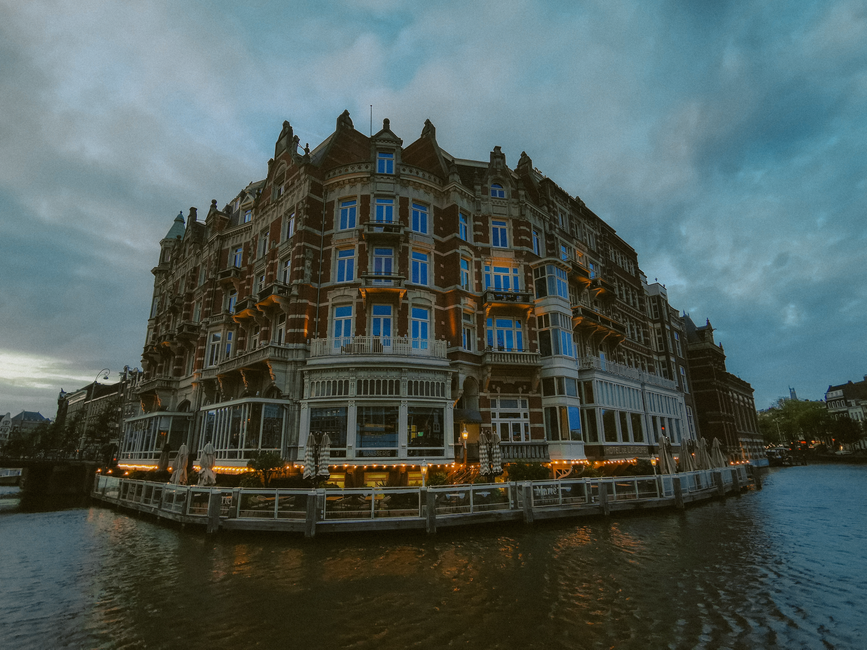
Andaz Amsterdam Prinsengracht in the Jordaan

A canal-side address, not a tourist strip
Andaz Amsterdam Prinsengracht sits on Prinsengracht in the Jordaan area, one of the city’s most pleasant neighbourhoods for evening strolls and café-hopping. The setting is residential and canal-lined rather than nightlife-heavy, which helps explain why the hotel often feels calmer than places closer to the busiest squares.
What the neighbourhood feels like day to night
In the mornings, you’ll typically notice locals out walking, cycling, and heading toward nearby shopping streets. By late afternoon and evening, the area becomes busier as people move between canals, galleries, and smaller restaurants—busy in a “walkable Amsterdam” way, not in a constant-throng way.
Who this hotel suits
This is aimed at travellers who want an upscale, design-focused stay without sacrificing convenience. It’s especially sensible if you’re planning to do a lot on foot—museum days, canal loops, and neighbourhood exploration—then return to something quieter.
- Anne Frank House (short canal-side walk)
- Westerkerk and the surrounding streets of the Jordaan
- Noordermarkt area (markets and local dining)
- 9 Straatjes shopping lanes (great for browsing)
- Canal cruises departing from central piers
- Rijksmuseum and Museumplein (reachable by tram or a longer walk)
Canal-Side Rooms: Layout and Staying Comfortable
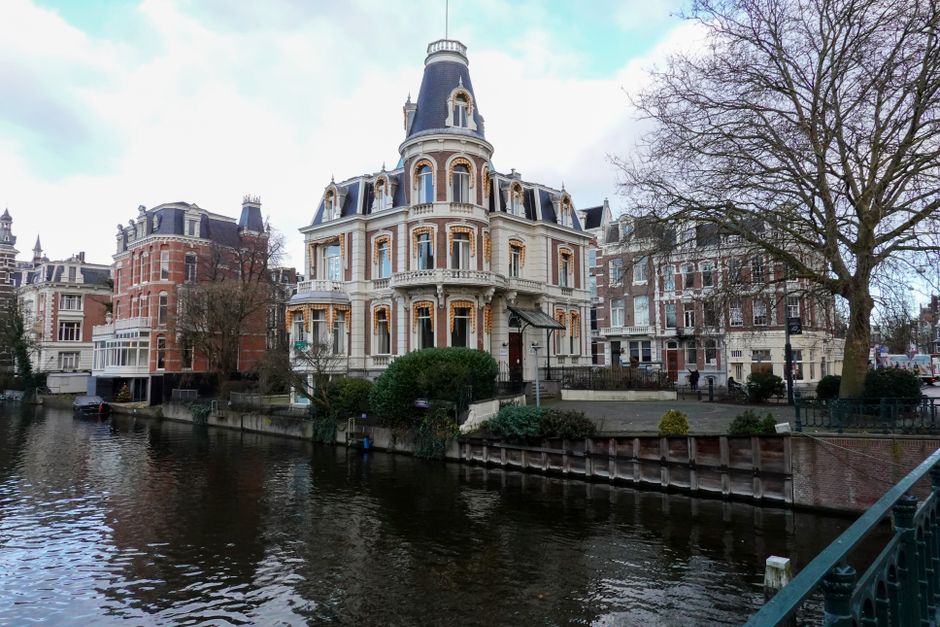
Room positioning you should look for
Because the hotel is on Prinsengracht, many room categories are described in terms of canal-facing or canal-view positioning. If quietness matters to you, use the room description to identify what you’re getting: canal-facing layouts often trade “views and atmosphere” for more street and boat awareness.
When you book, double-check the specifics that can change the feel of a room:
- Whether your room is canal-facing versus courtyard/side-facing
- Window type (fixed vs. operable) and how sound travels with it
- Floor level (higher floors often reduce street-level noise)
- Bed placement relative to windows and doorways (this affects how drafts and hallway sounds feel)
Layout: easy movement, fewer “pinch points”
Andaz-style rooms are typically planned to be lived in, not just slept in. Expect a sensible circulation route between the bed, seating/work area, and bathroom, with practical storage for a weekend bag and carry-on. If you’re travelling with more luggage, it’s worth checking whether the wardrobe/drawer storage is more “suitcase-friendly” than “suitcase-perched”—this varies by category.
Comfort details that matter in Amsterdam
Two practical points to consider in Amsterdam hotels in general—and particularly in canal-side areas:
- Light control: look for blackout or room-darkening options if you’re sensitive to early morning light and street glow.
- Bathroom access: if you’re sharing the room, confirm whether the bathroom door swings in a way that keeps the main walking route clear.
How Quiet Are the Rooms?
The usual noise sources near Prinsengracht
Noise in this part of Amsterdam is often “layered” rather than constant. Typical contributors include:
- Footsteps and bicycle movement on nearby sidewalks
- Deliveries and small-scale street activity
- Occasional canal traffic (boats and tourist cruise schedules can add moments of sound)
The difference is in intensity. Jordaan streets tend to be calmer than the city’s most central, high-volume squares, but canal-side locations still have more ambient character than a purely interior, courtyard hotel.
Canal-side quiet: what to prioritize when booking
If your priority is sleeping well, you’ll usually get the best results by planning around room location rather than room size. These choices tend to make more difference than you’d expect:
- Choose the quieter-facing option if the booking details offer it
- Prefer higher floors for reduced street-level disturbance
- If you’re a light sleeper, look for room categories that explicitly mention quieter views or reduced street exposure
Tips for keeping the room calm
Even in a quiet hotel, Amsterdam is an active city. If you’re sensitive to sound:
- Pack earplugs as a “just in case” item (they’re useful for any canal-side stay)
- If possible, avoid rooms that place the bed directly against a window where you’ll feel/notice street vibrations more
- Plan your sightseeing blocks so you’re not returning at peak “evening arrivals” times every night
Walkability: Where the Hotel Works Best for Sightseeing
A good base for canal walks and Jordaan lanes
One of the biggest advantages of Andaz Amsterdam Prinsengracht is how quickly you can step into classic canal-and-street Amsterdam. You’ll be able to do many of the “Jordaan highlights” without committing to tram schedules—ideal when you want to wander, pause for coffee, and keep moving.
Best entrances/exits for your routes (use the frontage that matches your plan)
Hotels on Prinsengracht often have their most practical access aligned with the street frontage, but the exact best “exit” depends on the route you’re taking. As you plan:
- If you want a direct push into the Jordaan lanes and 9 Straatjes, head out via the Prinsengracht-facing frontage first.
- If your morning route is toward the Westerkerk and Museumplein area, choose the exit that minimizes your need to cross busy junctions.
- For canal cruise departure points, aim for the frontage that gives you the shortest path to the nearest central piers.
Because entry points can vary by the day’s traffic and pedestrian flows, it’s worth checking at check-in which door you’ll find easiest for your most frequent direction.
Quick “walk-first” day plan
To keep things smooth, structure your day around walking loops:
- Start with Jordaan streets and canal views in the morning (typically calmer)
- Reserve your longer crossings for mid-day when streets are livelier
- Use tram only when you’re tired or when you’re heading toward Museumplein or the far end of the canal ring
Reaching Trams and Getting Around Amsterdam
Tram access that’s easy to build into your itinerary
Even if you’re a confident walker, Amsterdam still rewards a mixed approach. From Andaz Amsterdam Prinsengracht, you can typically reach major tram corridors on foot within a short window (often around 10–20 minutes depending on your exact route and the stop you choose).
Rather than trying to force one “perfect” stop, pick based on where you’re going that day:
- For central sightseeing, aim for tram links that run through the Museum and Leidseplein directions
- For transport back toward Centraal area, choose tram access that lets you switch to other routes without extra transfers
How simple it feels once you’re on the tram network
Once you’re at a major tram stop, Amsterdam’s network becomes straightforward. You’ll usually find it’s faster to tram across the city than to walk the same distance—especially when you’re moving between museum areas and the historic centre.
Getting to key areas: what to expect
In practical terms, this hotel is a convenient base for:
- Museum days (Museumplein/Rijksmuseum area via tram or a longer walk)
- Canal cruises and historic-centre wandering (a tram hop or a longer walk)
- Shopping and neighbourhood dining (Jordaan and nearby lanes are best done on foot)
Because tram stop names and route choices can change over time, confirm the specific stops you plan to use when you book your dates. A quick look at the day-of service map before you arrive is usually enough.
What to Do Next
If canal-side atmosphere and walkability are your priorities, Andaz Amsterdam Prinsengracht is worth shortlisting—especially if you plan routes that match the Jordaan direction and you’re intentional about room positioning for quiet sleep. When booking, focus on the room category details (frontage, floor level, and exposure) and decide which tram corridor you’ll use most before you arrive.