


Marrakech can feel overwhelming if you stay inside the medina walls. If your priority is quieter mornings in gardens and straightforward access to palaces, you’re usually better placed in areas like Gueliz, Hivernage, Agdal, or the Palmeraie—then you drive in for specific sightseeing windows.
This guide focuses on day-route convenience (especially to Majorelle and the palace circuit) rather than “tourist-at-your-door” stays.
Best Neighbourhoods For Quiet Access To Gardens And Palaces
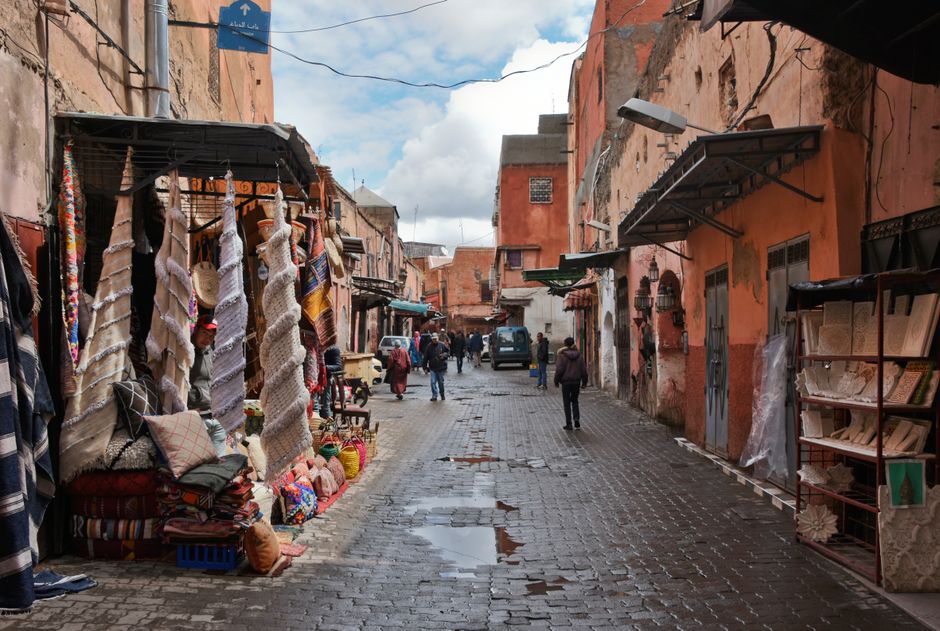
What to look for when choosing an address in Gueliz:
- Streets a little back from the main avenues (less honking and traffic)
- Hotels and riad-style properties with interior courtyards (cooler, quieter rooms)
- Walkable coffee and breakfast options so you don’t have to plan every meal around travel
Hivernage: close-in calm for palace days
Hivernage sits conveniently between the “new city” conveniences and the medina. It’s often quieter than you’d expect for its central position, especially if you choose an accommodation set back from busier frontage.
Why it works for gardens and palaces:
- Short taxi or ride times into the historic centre for Bahia Palace and El Badi–Saadian Tombs areas
- A good “home base” for evening wind-downs after sightseeing
- More consistent hotel services than you’ll find in the deepest medina streets
In Hivernage, you’ll get the quiet you want by choosing the right side of the road. If your room faces a major junction or a night-lit strip, you may hear traffic even with good windows.
Palmeraie: resort quiet with simple access by car
If you’re chasing real downtime—shade, pool time, slower mornings—Palmeraie is the obvious option. It’s a resort zone rather than a walk-everywhere neighbourhood, so it’s ideal if you’re comfortable using taxis for sightseeing.
What you gain:
- A calmer atmosphere at night, usually with gardens and pools built into the property
- Less bustle than the medina perimeters
- The ability to schedule palace and garden visits as “projects” during cooler hours
What to watch:
- Your day will depend more on transport. Plan on a taxi (or booked transfer) for palace circuits.
- Some areas of Palmeraie can feel spread out, so confirm the exact location before booking if you’re expecting walks.
Agdal: local energy with quicker routes to classic sites
Agdal is a strong middle-ground: you’re not inside the medina, but you’re also not far enough out that every day becomes a transport exercise. It can be a good choice if you want a more lived-in feel while still keeping commute times manageable.
Agdal is especially useful for travellers who want:
- Easy access to Menara Gardens and the western side of the sightseeing map
- Practical links to the palace areas when you’re travelling by taxi
- A wider range of accommodation styles, often at better value than the most premium medina-adjacent streets
If you’re sensitive to noise, still check the exact street. Agdal has areas that stay busy into the evening, while others feel calmer.
Edge of the Medina (Kasbah / Souqs border): fastest access without fully “staying in it”
If your priority is proximity—especially for palace timing—and you don’t want to walk the deepest crowd lanes every day, consider the edge-of-medina zone near the Kasbah and the outer souqs.
This is the compromise route:
- You can reach palace and garden entrances sooner (and sometimes before foot traffic peaks)
- You avoid the full “sleep inside the busiest blocks” experience
- You still get that traditional-street texture, but you’re not committing to the heaviest pedestrian flows
Downside to be aware of: the closer you are to the densest souq lanes, the more you’ll hear late-night activity. Choose a property with a courtyard and check how the building is positioned relative to narrow streets.
How To Build Quiet Day Routes From Your Base

A practical rhythm looks like this:
- Plan an early visit for the garden circuit
- Use the rest of the morning for nearby cafés and slower strolling rather than jumping immediately into the palace crowds
- If you want additional “garden contrast,” schedule any smaller inner-city garden stop later, when the midday heat pushes people indoors
From Palmeraie, expect a straightforward taxi ride rather than a short walk. From Agdal, it’s still usually easy to reach by car, with fewer “maze” distractions than deeper medina stays.
Menara Gardens and the western side: best with Agdal or Hivernage
Menara Gardens and the western sightseeing pattern generally feel more manageable when you’re not fighting medina foot traffic right at the start. Agdal and Hivernage are well placed for this.
When you build your day around Menara:
- Aim for the cooler morning window
- Keep a buffer so you don’t rush from gardens to palaces
- Save the busiest palace corridor for a later slot if you’re doing multiple major stops in one day
This approach helps you avoid the “everyone arrives at once” feeling that can happen when you schedule your palace circuit too tightly.
The palace circuit (Bahia and El Badi / Saadian Tombs) with easier logistics
For the big palace experiences, you don’t necessarily need to stay inside the medina. Staying in Gueliz, Hivernage, or Agdal typically means:
- Shorter, more direct transport routes
- Less evening street noise than a deep-medina riad location
- The ability to time your entry so you arrive before the peak footfall climbs
A quiet-minded plan often means:
- Arrive early for the palace blocks you care most about
- Build in a “lunch buffer” away from the busiest entrances
- If you’re returning at night, choose a route that avoids the loudest main pedestrian corridors
If you’re staying on the medina edge, you may find the walking is quicker—but the trade-off is more street activity around you.
What Makes Marrakech Feel Quiet (Even When You’re Central)
Street choice matters more than neighbourhood names
Within every area, the quiet level can change dramatically street by street.
When you’re comparing listings, look for:
- Courtyard or interior-facing rooms (a big difference for sleep)
- Clear descriptions about how noisy the frontage is
- Proximity to major junctions versus side streets
A “good neighbourhood” with the wrong street can feel as busy as the medina—especially in the evenings.
Timing beats distance for palaces
Even with an easy base, the most noticeable crowd factor is usually arrival time.
To keep things calmer:
- Prioritise the major palace highlights early in the day
- Plan your garden moments around cooler hours
- Avoid stacking multiple big-ticket sites back-to-back with no buffer
You’ll feel the difference immediately—less waiting, fewer congestion bottlenecks, and more time to actually enjoy the space.
Heat and season affect comfort (and crowds)
If you’re travelling in summer, you’ll likely experience a big comfort shift: afternoons can feel intense, so gardens can become the “morning only” attraction rather than an all-day activity.
In the cooler months, Marrakech can draw more visitors for longer daytime walks. That doesn’t mean you need to skip palaces—it just means you’ll benefit from earlier starts and less rushed scheduling.
Choosing The Right Stay Style For Your Quiet Priorities
Resorts and garden-focused properties (best for Palmeraie)
If you’re staying Palmeraie-style, choose a property that offers shaded outdoor spaces and a calm indoor plan for midday heat. This is the best setup for travellers who want sightseeing days, not nonstop walking days.
A quiet stay here works best if you:
- Expect to use taxis for palace trips
- Plan at least one “slow half-day” where you don’t leave the property at midday
Boutique hotels and apartment-style bases (often easiest in Gueliz and Hivernage)
Gueliz and Hivernage tend to suit travellers who want a balanced routine: quick access to gardens and palaces, plus cafes, bakeries, and an easier time finding dinner without driving across town.
For practical quietness, prioritise:
- Sound insulation and courtyard layouts
- Clear check-in arrangements and reliable front-desk support (handy for organising transport)
Riads near the medina edge (for proximity, not deep-crowd living)
If you want the riad feel without “fully medina” logistics, aim for the outer medina border—close enough for quick palace access, but not so deep that you’re dealing with constant foot traffic right outside.
This style can be quiet if:
- Your riad has an internal courtyard
- Your room isn’t positioned above the busiest street-facing areas
What To Do Next
Pick two neighbourhoods that match your pace: Gueliz or Hivernage for a garden-and-palace rhythm with minimal hassle, and Palmeraie if you want resort quiet and are happy to travel by car for sights. Once you’ve shortlisted areas, compare listings based on street-side noise (courtyard rooms are a strong signal) and plan your palace visits for earlier windows to keep the experience calm.