


How to choose a quiet base with easy subway rides

Prioritise lines that keep transfers low
For day plans, transfers are where trips slow down and where you spend more time walking under station corridors. When comparing areas, look for:
- 0–1 transfers to your “anchors” (palaces/central sights, shopping streets, and one nightlife option you actually want)
- A main station within a 10–15 minute walk from your room, so you can avoid late-night detours
- One clear line you can repeat for multiple days (instead of line-hopping every time)
Stay on the right side of a station
Seoul stations are gateways to both business footfall and late-night crowds. Quiet doesn’t always mean “far from the subway”—it means where you are relative to exits and street corridors.
A practical rule:
- If the hotel is on a restaurant strip, weekends can be lively even in quieter neighbourhoods.
- If the hotel is on back streets behind the main road, you’ll usually sleep better.
Plan around late-night “street noise,” not just trains
In most parts of Seoul, the subway itself isn’t the main problem. Instead, noise usually comes from:
- people leaving late dinners
- karaoke cafés and small bars clustered near a few blocks
- delivery traffic around popular lanes
Five neighbourhoods that usually deliver quiet nights and quick commutes
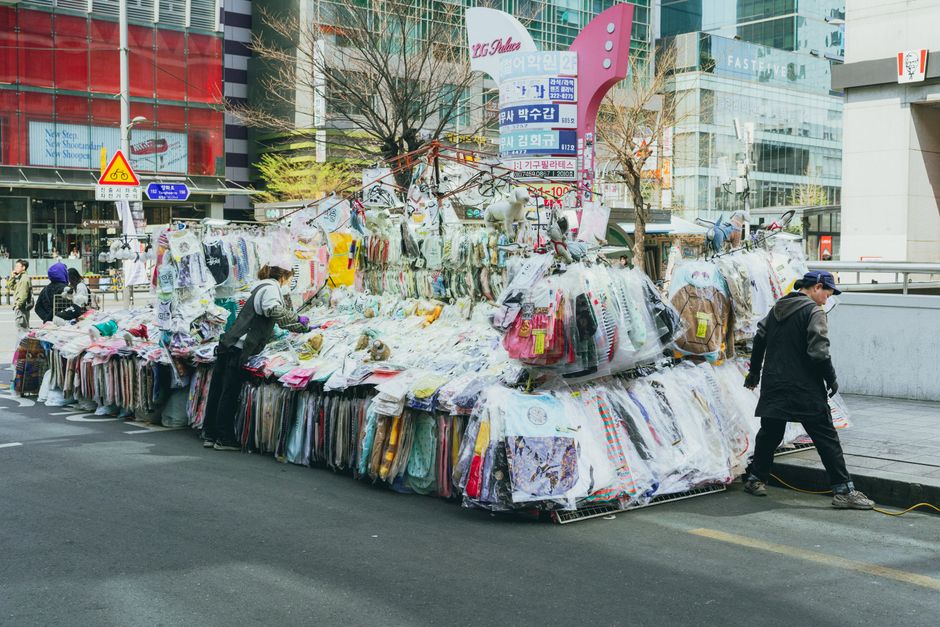
1) Seodaemun (Ewha area and nearby back streets)
Seodaemun is a good pick if you want a balanced stay: student energy during the day, but less “all-night” momentum than the loudest entertainment districts.
Why it works for quiet + subway access
- Line 2 is the backbone here, which keeps commutes to central Seoul relatively simple.
- You’ll usually reach shopping and major sight areas with one transfer at most.
Where to focus
- Streets a few blocks off the busiest student and café lanes
- Hotel blocks within walking distance of Line 2 stations in the Ewha/Sinchon direction
What to avoid
- Rooms directly beside late-night takeout and bar streets (weekends can run late)
2) Jongno (Anguk/Jongno-3ga side streets)
Jongno is one of Seoul’s most historic bases, but you can make it quiet by choosing the residential edges rather than the busiest museum-and-market approaches.
Why it works for quiet + subway access
- You can use Line 1 and Line 3 depending on the exact pocket you stay in.
- Central landmarks in the north/central area are often reachable with 0–1 transfers.
Where to focus
- Anguk and nearby lanes that feel more residential after dark
- Hotel locations that are walkable to stations serving Line 3 for easy access toward major palaces
What to avoid
- Being too close to the narrow streets where evening foot traffic stacks up
3) City Hall / Euljiro (business-central, but choose calmer blocks)
This is a practical base if your itinerary is heavily central: government-area streets by day, office lanes after dinner, and straightforward subway connections.
Why it works for quiet + subway access
- You’re in the orbit of multiple major lines (including key interchange stations).
- It’s one of the easiest areas to keep commutes to 1 transfer or less.
Where to focus
- Streets slightly away from the biggest department-store and major boulevard intersections
- Hotels that still give quick access to interchange stations, but don’t sit on the loudest bar streets
What to avoid
- Rooms facing major nightlife-adjacent lanes (business areas can still get busy on weekends)
4) Yeouido (park + business district, with calmer evenings)
Yeouido is built around offices and open spaces, which often means evenings are more controlled than in entertainment-heavy districts.
Why it works for quiet + subway access
- Line 5 gives you an uncomplicated ride for a lot of central-west travel.
- For many sights, you’ll typically manage with one transfer rather than multiple stops.
Where to focus
- The residential edges and hotel streets that are not directly along the biggest dining corridors
- Areas within a short walk of Line 5 access so you can skip last-mile wandering at night
What to avoid
- Staying right on the most concentrated “evening dining” blocks if you’re sensitive to noise
5) Jamsil (residential Songpa blocks near Line 2/8)
Jamsil is large and well-connected, and it can be surprisingly calm if you stay in the residential side of the area.
Why it works for quiet + subway access
- You get strong access to Line 2 (the line that makes east-west movement easy).
- Line 8 adds flexibility, so reaching many central points is usually 0–1 transfers.
Where to focus
- Apartments/hotel streets a short walk away from the main entertainment entrances
- Blocks where residential traffic replaces event foot traffic
What to avoid
- Being too close to the biggest entertainment venues if your dates overlap with major event weekends
Commute reality check: where you’ll get there fastest
The point of these bases is not just “near a subway stop,” but also keeping your route practical. Use this quick logic when mapping your days.
Central Seoul sights (palaces, museums, shopping streets)
- From Jongno and City Hall, central sights are usually your easiest wins with minimal transfers.
- From Ewha/Seodaemun, central movement is also straightforward, but you may route via a transfer depending on the exact stop.
- From Yeouido, central access often works best when your plan is clustered around the west/central corridors.
Popular shopping and east-side destinations
- Jamsil is strong if your plan includes east-side shopping and areas along Line 2.
- Seodaemun is a convenient base for hopping between west-central areas without complicated routing.
How to choose between “convenient” and “quiet” when it’s close
If two neighbourhoods both look good on a map, pick based on where you’ll walk at night:
- A base with slightly longer transfers can still be better if your hotel street is calm after 9pm.
- A base with a more direct subway route can feel worse if your room faces late-night restaurant or bar streets.
Noise and late-night traps to skip
Even in good neighbourhoods, a bad hotel micro-location can ruin sleep. Before booking, sanity-check these common traps.
Nightlife hubs in disguise
Areas that feel “local” by day can get loud after dark if they sit next to:
- bar streets that spill out onto the sidewalk
- karaoke-heavy lanes where groups gather
- convenience-store clusters that attract late-foot traffic
If you’re sensitive to noise, you’ll often do better on a street that looks a little less “interesting” on arrival.
Entertainment venues and event weekends
Jamsil is a great base for many people, but event dates can concentrate crowds and create louder surroundings around venue entrances. The fix is simple: choose a hotel on the residential side and walk the extra few minutes to avoid the loudest approach routes.
Main boulevards with constant late traffic
Some wide roads keep moving late into the evening. To reduce noise risk:
- prefer hotels set back from the main artery
- avoid rooms facing directly onto heavy traffic streets
- if you can, choose higher floors (street noise often drops with elevation)
Booking tips for a calmer stay
You can’t control everything in Seoul, but a few booking choices meaningfully improve night-time comfort.
Choose room orientation and ask for the quieter side
When you book, look for clues in the listing (street-facing vs. courtyard, side-street vs. main road). If you have a choice, prioritise:
- rooms facing residential lanes over major commercial roads
- higher floors if the hotel is near a busy lane
Stay close to the station, but not beside the loudest exits
Being within a 10–15 minute walk is a sweet spot. It gives you convenience without forcing you to return through the most chaotic station exit funnels.
Compare “price per calm,” not just price per room
Quiet bases sometimes cost a bit more near station cores, but the best value often comes from staying one block back. If the same hotel costs much more for a particular view or frontage type, that’s usually a hint about what you’ll hear at night.
What to do next
Pick 2 neighbourhoods from the shortlist and map your top 3 destinations for each. Then choose the base where your routes are 0–1 transfers most days and where the hotel street is clearly less “late-night corridor.” If you’re travelling on weekends or around major event dates, favour the areas that feel residential after dinner.