

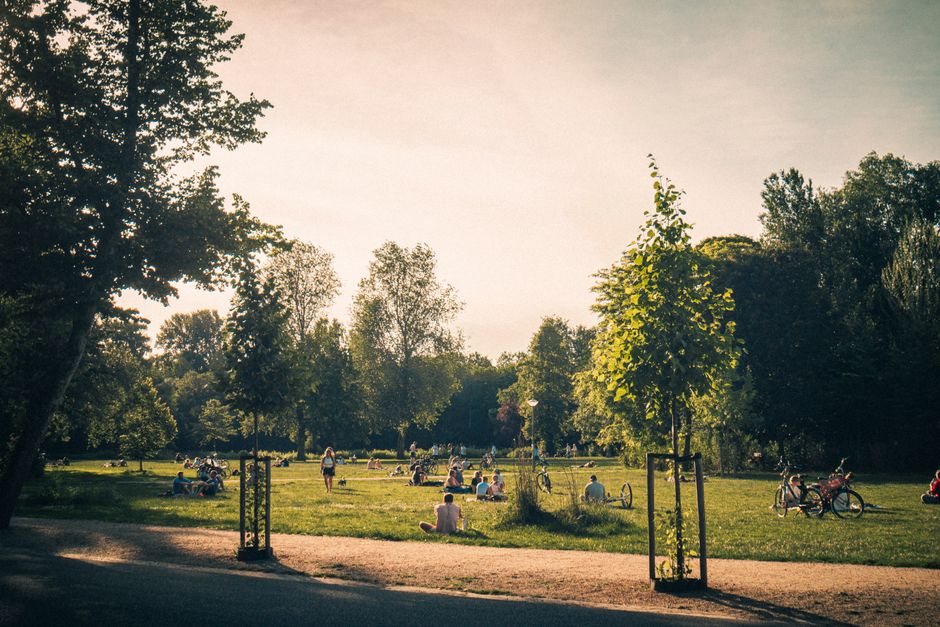
De Pijp: Easy strollers, Sarphatipark breaks, and direct tram links
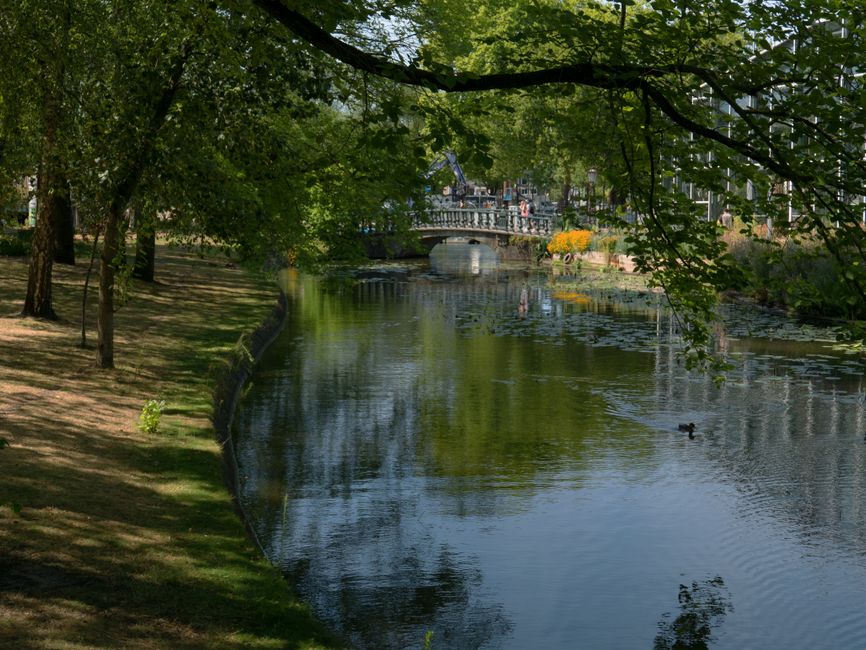
Park access on foot
Sarphatipark is the headline here: it’s close enough for quick “reset” walks and playground time between naps. You’ll also find smaller green pockets and calmer streets where you can steer a stroller without dodging crowds.
What works well with toddlers:
- Quick loop walks when the weather turns
- Lawns and paths for stroller pacing (rather than only destination walking)
- Lots of benches, so adults can pause without leaving the main walking route
Tram rides that stay simple
De Pijp sits along major tram routes, which means you can hop on for short, predictable journeys. For toddler days, the goal is fewer transfers and shorter total time in transit—so aim to stay within a few minutes’ walk of one main stop.
A low-stress routine often looks like:
- Board at a primary tram stop (more frequent service)
- Keep the ride short—treat the tram as an “out-and-back” rather than a full sightseeing marathon
What the streets feel like with a toddler
De Pijp can get busy on weekends, especially around popular cafés and food streets. During your planning, look for side streets that aren’t immediately adjacent to the most famous pedestrian hotspots. With a stroller, even a five-minute walk away from the busiest blocks can make the day feel calmer.
Practical search checklist:
- Prioritise step-free access (lift or ground-floor entry) if you’re bringing a bulky stroller
- Choose a quieter building frontage if your toddler naps on schedule
- Check whether the closest tram stop is “near enough” in real walking time, not just on the map
Museumkwartier and the Vondelpark edge: Central but calmer for small legs

Vondelpark resets and playgrounds
Vondelpark is the reason families gravitate here. You can build a routine around it: morning play, midday rest, then a short stroller walk when your toddler gets restless.
What to look for when choosing where to stay:
- A lodging base that’s walkable to the park entrance you’ll actually use
- A route that avoids multiple crossings during peak pedestrian hours
- Access to small playground areas for short, repeat visits (rather than only “destination” roaming)
Tram reliability near major stops
This part of Amsterdam is well-served, which matters with toddlers. Rather than trying to reach every place by walking, use trams for the cross-city legs and keep your “on foot” time focused on park-and-play blocks.
For lower friction rides:
- Stay close to a tram stop with frequent service
- Plan outings in short segments (tram + park + tram back)
- If you’re travelling during busier times, expect crowding and board a little earlier rather than at the last moment
Best base if you want walkable breaks
Museumkwartier-adjacent streets can be easier for stroller navigation than the most central canal-side lanes. That doesn’t mean it’s empty—Amsterdam always has people—but it often feels more manageable for families than the most tightly packed historic-core streets.
Common trade-off:
- You’ll usually pay more for this convenience, so prioritise space and access over extra square metres
Oud-West: Westerpark days without the full-city crowds
Oud-West is where you can get a more local rhythm while still staying connected. It’s especially appealing if you like the idea of a big park day (Westerpark) paired with neighbourhood streets that feel comfortable for day-to-day toddler movement.
Westerpark and quick play spots
Westerpark is a big win for families with toddlers because it gives you a larger “run-and-walk” environment. Even when the park itself is busy, it’s typically easier to find your own space—paths spread out, and you can loop back when your toddler tires.
For stroller-friendly park time:
- Look for a hotel or apartment with a fast, practical walk to Westerpark rather than a longer journey
- Plan one park route you can repeat (so you’re not navigating when your toddler is cranky)
- Bring a simple snack strategy so breaks don’t turn into long detours
Tram patterns for short hops
Trams through Oud-West are usually useful for short city hops. Instead of taking a single long ride, plan multiple short tram segments that keep your toddler’s “time in transport” low.
Low-stress approach:
- Choose accommodation near a stop that’s on the routes you’ll use most
- Aim for routes that go where you want to go without frequent changing
- If you must transfer, keep the transfer station as one step, not a maze (map it while you’re thinking like a stroller)
Avoiding the busiest blocks
Oud-West has busy pockets—especially around popular streets where foot traffic clusters. For toddler travel, the goal isn’t “avoid people completely”; it’s to avoid narrow, jammed sections right at your doorstep.
When you’re scouting streets:
- Prefer streets with a wider sidewalk feel and easier turns
- Check whether there are regular markets or late-night foot traffic nearby
- If your toddler sleeps early, choose a calmer side street rather than the most active frontage
Plantage and Weesperbuurt: A greener Amsterdam East for rainy-day plans
If you’re travelling with toddlers and want a calmer, greener feel than the densest parts of the centre, Plantage & Weesperbuurt is often a practical sweet spot. You get park access, family-friendly energy, and tram options that help you avoid exhausting walking days.
Oosterpark and Artis area strolling
Oosterpark is a central ingredient for toddler-friendly days—easy to reach, flexible for short play sessions, and useful when the weather makes big plans harder. The wider Plantage/Weesperbuurt zone also helps because you’re not forced into a single “one park and done” routine.
Plan around:
- Short loops when naps run long
- Small playground visits when you only have an hour
- A flexible day structure (park + tram + nearby lunch, then back for an evening routine)
Trams across town without transfers
This area is well-positioned for tram travel. The key for families is reducing friction: fewer changes, more predictable boarding, and quicker access to other neighbourhoods when you need a change of scenery.
To keep it low stress:
- Stay near a main tram stop rather than a less-used stop farther away
- Build schedules around short transit windows (toddlers can handle “quick rides” more easily than long journeys)
- If your toddler is sensitive to crowds, try boarding slightly before peak moments
Stroller-friendly streets to search
Some streets in Amsterdam can feel narrow or uneven, so search with the stroller in mind. In Plantage & Weesperbuurt, you’ll often find calmer residential sections compared with the most central canal corridors.
What to prioritise when choosing a place:
- Step-free entry or lift access
- A quiet orientation if street noise wakes toddlers
- The ability to reach the tram stop smoothly (watch for stairs at building entrances)
Oostelijke Eilanden and Indische Buurt: Wide sidewalks, big parks, and calmer evenings
For families who want more breathing room and often less of the “tourist crowd” feeling, the Oost-side neighbourhoods can work well. The mix of residential streets and park areas helps you build a day that isn’t entirely shaped by sightseeing.
Frankendael Park and nearby green space
This part of Amsterdam gives you access to parks that are ideal for toddlers who need movement. Think in terms of routines: short trips to green space, repeated play breaks, then back for snacks and downtime.
How to choose the right micro-area:
- Aim for a base with a straightforward walk to the park you’ll use most
- Prefer routes that feel calm enough for multiple small outings per day
- Avoid “one longer walk” if you’ll realistically be returning for naps
Trams that run often
Tram connections across Oost are generally useful for moving around the city without turning every outing into a long walk. For toddlers, frequent service often matters more than ultimate route length.
What to check before you book:
- Whether your nearest stop is on a frequent line (so you can wait less)
- How busy that stop tends to feel at the time you’ll ride
- How easy it is to board with a stroller during the busiest periods
When to choose waterfront streets
Oostelijke Eilanden often feels scenic and spacious, but waterfront areas can also attract weekend walkers. If you’re planning a trip with an early bedtime, you may prefer streets that are slightly inland (still close to the water, but less directly on the busiest walking routes).
Quick rule of thumb:
- Waterfront for views and calmer “evening pacing”
- Inland for quieter routines and easier access to everyday stops
Next steps for booking a family base
Once you’ve picked the neighbourhoods that fit your park routine, short-list places based on access: step-free entry or lift, an easy path to the nearest tram stop, and a quiet building orientation for naps. When you’re comparing options, prioritise stroller practicality over being “closest to a top sight”—toddlers will feel the difference every day.
Finally, map a simple loop for each area (home → park → tram → lunch → home). If the loop is smooth in real walking time, you’re usually choosing a genuinely low-stress base.