


Fullerton Bay’s Marina Bay Setting

Marina Bay and the Central Business District edge
If your trip is a mix of sightseeing and dinners, this is an easy area to work from. Expect a well-managed, upscale neighbourhood with a lot of pedestrian traffic during daytime, then a slower, more relaxed waterfront atmosphere at night.
What’s walkable from the doorstep
You can do a lot on foot from the hotel without constantly planning routes. Common walkable pull-ins include:
- Marina Bay Promenade
- Merlion Park
- Singapore River quays
- The Financial District (office streets and dining)
Who this hotel suits
The hotel is best suited to travellers who want a polished base rather than a purely budget stay—couples, business travellers, and families who prefer convenience and a calmer “stay in the right area” approach. If you’re trying to spend most of your time in neighbourhoods like Chinatown or Little India, you’ll still reach them easily, but you may want to plan those days around MRT or rides rather than long walks.
Rooms: Layout, Storage, and Day-to-Day Comfort
Room layout and common configurations
In most rooms, you’ll typically see the essentials arranged to support both relaxing and short work sessions. Look for these day-to-day elements when choosing a specific room or category:
- A defined sleeping area with bedside controls
- A desk/work surface suitable for a laptop
- Seating for relaxing (often with a small table)
- Wardrobe and open storage for unpacking
- Climate control that helps separate comfort from outside temperatures
Bathrooms and practical storage
Bathrooms at hotels in this tier tend to focus on convenience: counter space for toiletries, a mirror area that’s actually usable, and a shower setup designed for everyday stays. If you’re travelling as a family, or you prefer quick routines, pay attention during booking to whether the bathroom layout is best suited to multiple people getting ready at the same time.
Storage is usually the make-or-break detail in Singapore’s humid climate. When you’re comparing room options, prioritise categories that clearly offer:
- Easy access wardrobe/storage rather than hidden compartments
- Space to put luggage out of the way
- Counter space for wet items and daily essentials
Choosing a room for light and openness
Waterfront hotels can feel bright and airy—or more muted—depending on floor level and orientation. If you like the “open water” feel, choose bay-facing options where possible. If you’re more sensitive to noise or prefer a calmer light pattern for sleeping, higher floors and rooms away from high-traffic service points tend to feel more controlled.
Sound Levels: What Quiet Feels Like Here
Sound in a central waterfront area comes from a few predictable places: street activity, guest movement in corridors, and occasional door or lift sounds. Most travellers are fine with it—what matters is understanding what kind of noise you’re more likely to notice.
Soundproofing and corridor ambience
A good sign for this property is that room comfort is clearly part of the experience. In practice, you can expect most rooms to reduce outside noise compared with older, more basic buildings. What you may still hear depends on your room’s exact position.
Street, lobby, and waterfront noise
The most common sound sources are usually manageable, but they’re worth planning around:
- Double-glazed windows that keep daytime street noise lower
- Quieter conditions at night once traffic and daytime footfall drop
- Occasional muffled lobby/door sounds, especially near busy transitions
- Waterfront-related ambience such as wind and promenade activity
Tips for a calmer night
You don’t need an overly complex approach, but you can improve sleep quality with a couple of choices:
- When booking, prioritise a higher floor and avoid rooms positioned directly adjacent to lifts if noise sensitivity matters.
- If you’re a light sleeper, consider requesting a room away from any areas that handle frequent guest access.
- Keep expectations realistic: even in quiet rooms, Singapore’s city energy can still come through as a low, constant hum rather than a fully “silent” environment.
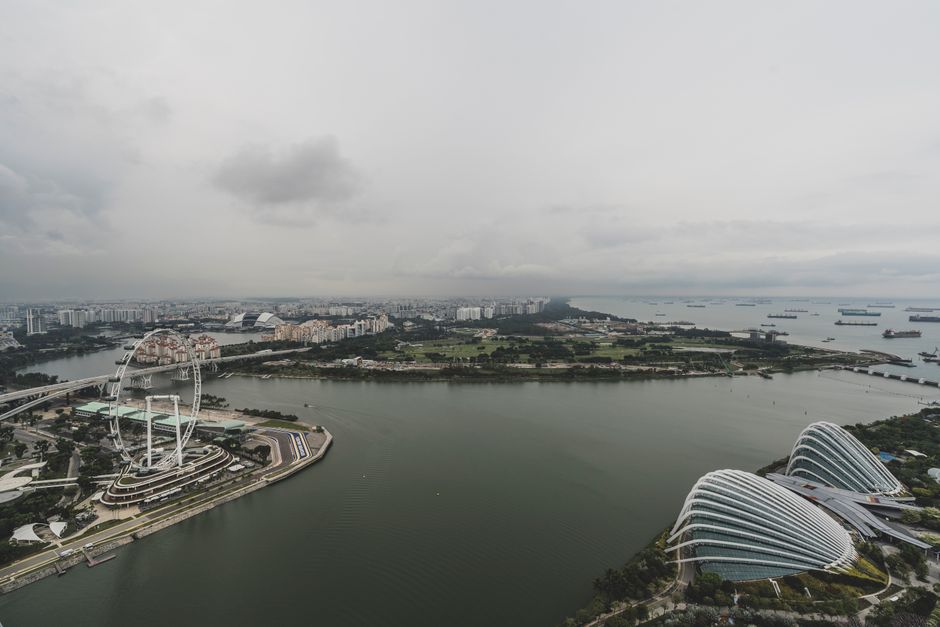
Waterfront Views: Bay Light Without the Guesswork
One of the main reasons travellers choose this part of Marina Bay is the way the skyline and water change with the time of day. Waterfront views can be spectacular, but they’re also highly dependent on the direction your room faces and how high you are.
Bay-facing orientation and what you’ll see
If your room is oriented toward the bayfront, you’re generally choosing a visual style—open water, the skyline, and the promenade’s nighttime glow. If your view is more street- or building-facing, you’ll still get an urban feel, but it won’t deliver the same “waterline” perspective.
Day-to-night atmosphere
Daytime views can look crisp and airy; nights tend to add contrast with lights across the bay. Expect the scene to include elements like:
- Marina Bay skyline around the Financial District
- Lighting from the promenade and nearby bridges
- Occasional movement of boats along the bayfront
- Sunrise/sunset colour changes over open water
Requesting the right room category
For the least guesswork, align your booking choice with what you want the view to do. If you care most about evening atmosphere, you’ll usually want a room that faces the direction where lights build up later in the day. If your priority is early-morning light, focus on a layout that catches softer dawn colours.
Also note that view “feel” changes by floor and weather—heavy rain can mute colours, while clear humidity can make lights glow more strongly.
How to Get Around: MRT and Ride-Share Access
Fullerton Bay’s Marina Bay location is built for easy connections. You’ll typically mix MRT for cost and speed with ride-hailing for short, weather-proof hops—especially if you’re travelling with a group.
Easiest MRT stops and walking links
The closest MRT options generally include Marina Bay and Raffles Place stations, plus Downtown Line access via nearby stops depending on your exact route. From the hotel area, these are the practical stations to target when you want:
- Fast connections across the city’s main lines
- Simple routes to Orchard Road, the airport direction via the central network, and key interchange stations
If you’re walking, keep an eye on pedestrian crossings and waterfront detours—Marina Bay can feel straightforward, but the “shortest” route on a map may involve more stairs or uncovered walk segments than you expect in Singapore’s heat.
Taxi and ride-hailing pickup points
Ride-share access is usually straightforward in this part of town, but the exact pickup pin matters. Use the hotel’s main frontage or the nearest official pickup area indicated for vehicles, and confirm the drop-off approach if you’re arriving during peak evening hours.
For smoother rides:
- Plan for short delays around major waterfront events or rush hour
- Consider a quick MRT segment first, then rides for the “last mile” in busy areas
- Ask the hotel team where drivers should stop if you notice multiple road access points
Next Steps for Your Singapore Stay
If waterfront views are a priority, focus your booking on the room orientation and floor level that matches the time of day you’ll actually be in your room. For transport planning, map your must-see neighbourhoods to MRT stations (Marina Bay/Raffles Place are good anchors), then decide where you’ll switch to ride-share for weather or time savings.
When you’re ready to commit, double-check your exact room category details—especially view direction and any notes about room placement—so you’re not surprised by how the sound and light play out for your specific room.